
The Role of Entertainment in Shaping Behavior
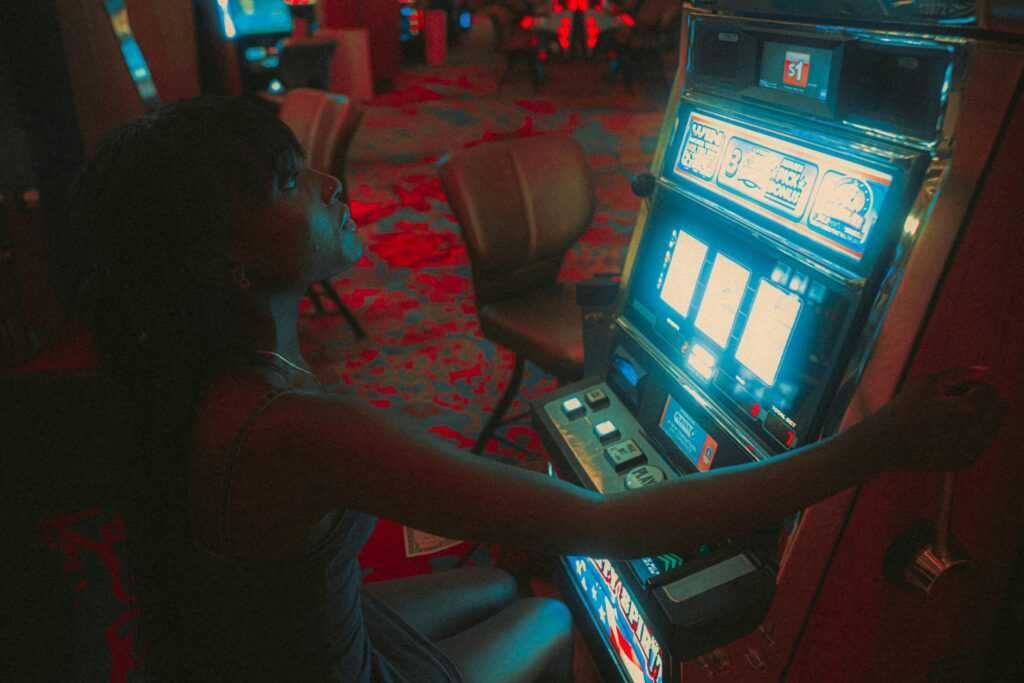
Stories stick. We connect with characters, copy behavior, and soak up habits we don’t even realize are being sold to us. When it comes to gambling, this influence cuts deep. Someone watches a suave character win big at a casino and suddenly, gambling doesn’t feel risky it feels aspirational.
But there’s a difference between storytelling and selling a fantasy. Entertainment walks a tightrope here: glamorize too much, and you turn problem behavior into lifestyle goals. Skip the hard moments the losses, the toll, the regret and you’ve left out the truth.
Still, no one’s saying turn movies into lectures. What makes entertainment powerful is nuance. A character who knows when to walk away. A plotline that shows the aftermath of betting everything. Scenes that highlight the pressure and the illusion. These are quiet boundary setters that land better than a warning label ever could.
Entertainment carries a huge opportunity. It can model better decision making without wagging fingers. It can tell the whole story of gambling not just the part drenched in neon and champagne.
Storytelling in entertainment is powerful it can shape how people see risk, reward, and personal limits. When it comes to gambling, it’s time creators stopped brushing over the fallout. Characters who spiral financially or emotionally because of a gambling addiction? That’s not too heavy it’s real. We need more of that. Realistic consequences don’t preach, they just tell the truth.
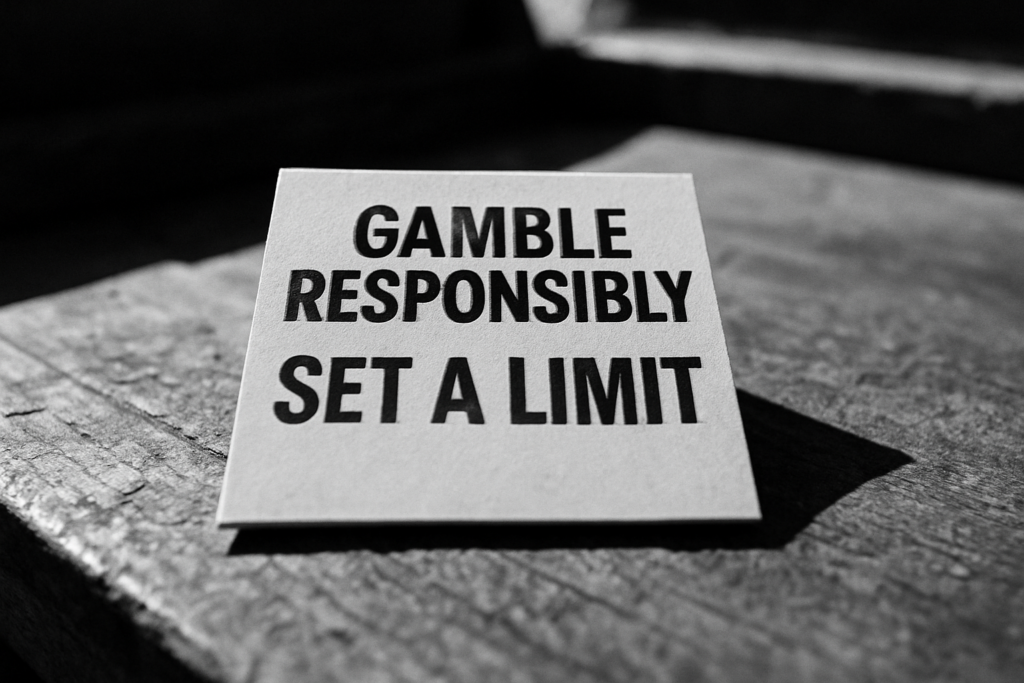
Incorporating responsible gambling cues into scripts, show notes, or even key on screen moments is no longer optional. It can be as simple as a character reading odds out loud with hesitation, or a post credit link to support resources. Used right, it blends naturally into the narrative. It feels human, not like homework.
Design also matters. If a game or show is immersive by design, it should also be deliberately informative. That means choosing decision points that reflect real world stakes, not just instant gratification. Think: tension that comes from self control, victories that come from walking away. Entertainment doesn’t need to strip out excitement but it does need to stop ignoring the cost. This medium can fuel urges or help reframe them. Let’s aim for the latter.
Collaborations with the Gambling Industry

When done right, entertainment and gambling don’t have to be at odds. In fact, they can work together to steer users toward healthier habits. But it takes more than slapping a warning label on a betting app or tacking a hotline at the end of a livestream. Effective co creation starts with shared values transparency, audience respect, and a genuine intent to inform, not manipulate.
Streaming platforms can bake in stop cues without killing the vibe. Game developers can design mechanics that encourage breaks and flag patterns that look like compulsive play. Betting services can offer tighter limits and easy opt outs, integrated directly into the user experience.
The most promising moves are happening when companies collaborate. Netflix’s partnership with mental health orgs to address addiction narratives. Gaming studios that are linking with researchers to better understand player behavior. There’s still a long road ahead, but a few brands are showing it’s possible to entertain without enabling harm.
The key is intention. Sloppy collaboration feels like PR. Smart collaboration builds trust and real impact.
See the bigger picture: Shift to Responsible Gambling
Audience Education Without Preaching
The shift toward responsible gambling messaging in entertainment doesn’t have to be stiff or self righteous. In fact, the most effective content tends to keep things light or at least human. Humor helps. So does drama that doesn’t talk down. When creators weave responsible behavior into storylines through real stakes, personal struggles, or honest conversations, it hits harder than any pop up warning ever could.
One workaround that’s gaining traction: showing characters who actually take breaks. No dramatic meltdown. No lecture. Just a quiet night off or a conscious decision to pause. These scenes help normalize boundaries in a way that feels like real life, not a spotlight moment on a campaign agenda.
The smartest educational efforts are the ones you barely notice. A casual mention of betting limits in dialogue. A character reflecting on why they play less now. A link in the show notes directing viewers to deeper info without a flashing red banner. It’s not about scaring people away from gambling. It’s about giving them options, context, and some breathing room to make informed calls.
Looking Ahead
Entertainment is becoming more interactive choose your own adventure shows, real time contests, even voice controlled narratives. While that pulls audiences in, it also adds a new layer of responsibility. The more immersed people are, the more important it is to build guardrails into the experience. This isn’t just about offering a checkbox saying “Play responsibly.” It’s about shaping stories and mechanics that support better decisions from the start.
What’s needed isn’t complicated, but it does take effort. First: better industry standards. There should be clear guidelines about how gambling related content is presented. Second: smarter scripts. Writers, showrunners, and designers need to think beyond plot twists how a character handles risk could influence how viewers do the same. Lastly, partnerships need to evolve. Throwing in a token message doesn’t cut it. Real collaboration means aligning with partners who share long term goals around user well being, not just engagement or profit.
For deeper insights, visit: Shift to Responsible Gambling.
 Veronique Godinezie – Entertainment & Gambling Trends Writer
Veronique Godinezie is an expert in the ever-evolving relationship between gambling and entertainment, serving as a Gambling Trends Writer at Gamble Wise Roll. With a keen interest in how gaming intersects with pop culture, esports, and digital innovation, she explores the latest trends that are redefining the gambling experience. From interactive betting experiences and skill-based gambling to the rise of virtual casinos and celebrity-endorsed gaming platforms, Veronique provides engaging and forward-thinking content that keeps readers informed about the future of gambling. Her storytelling brings an exciting and dynamic perspective to Gamble Wise Roll, offering insights into how the industry continues to evolve in the digital age.
Veronique Godinezie – Entertainment & Gambling Trends Writer
Veronique Godinezie is an expert in the ever-evolving relationship between gambling and entertainment, serving as a Gambling Trends Writer at Gamble Wise Roll. With a keen interest in how gaming intersects with pop culture, esports, and digital innovation, she explores the latest trends that are redefining the gambling experience. From interactive betting experiences and skill-based gambling to the rise of virtual casinos and celebrity-endorsed gaming platforms, Veronique provides engaging and forward-thinking content that keeps readers informed about the future of gambling. Her storytelling brings an exciting and dynamic perspective to Gamble Wise Roll, offering insights into how the industry continues to evolve in the digital age.