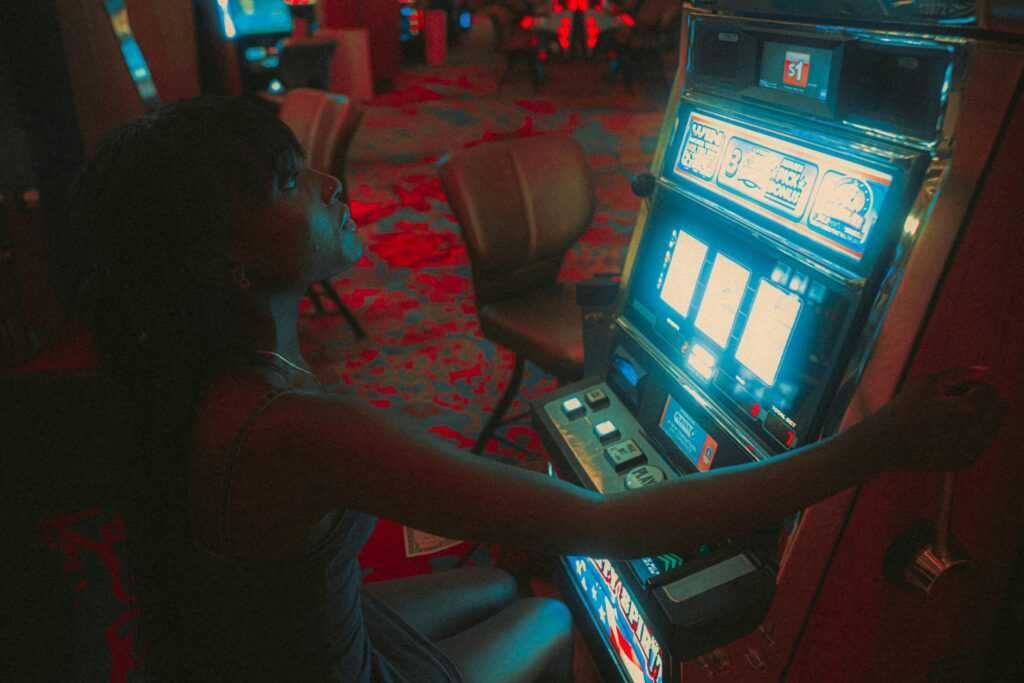
I know why you’re here.
Something shifted. Maybe gambling stopped being fun. Maybe you’re spending more than you planned. Maybe someone you care about said something that stuck with you.
You’re not looking for a lecture. You need clear information about what to do next.
I’ve put together this guide to give you exactly that. Real steps you can take right now. Resources that actually help. No judgment, no runaround.
Here’s what matters: recognizing when play crosses a line is hard. Knowing where to turn shouldn’t be.
We work with responsible gambling experts and player advocacy groups to make sure the information here is accurate and useful. This isn’t theory. It’s what works.
You’ll find immediate actions you can take today. Support options that fit different situations. Ways to set boundaries that stick.
If you need to talk to someone right now, call 4808063358. That number connects you to people who understand what you’re going through.
This guide walks you through the steps to regain control and make decisions that work for you.
Let’s start with what you can do in the next five minutes.
Recognizing the Signs: When to Evaluate Your Gambling Habits
Look, I’m not here to lecture you.
But I need to be honest about something. Most people wait way too long before they admit they might have a problem. They rationalize. They tell themselves it’s just a bad streak or that they’ll stop after the next win.
I’ve seen it happen too many times.
The truth is, recognizing when gambling stops being fun and starts becoming a problem isn’t always obvious. You don’t wake up one day and suddenly realize everything’s gone wrong. It happens slowly.
Here’s what I think you should watch for.
Chasing losses is the big one. If you find yourself trying to win back what you lost by placing bigger bets or gambling more often, that’s a red flag. I know the feeling seems logical in the moment (just one more hand to break even), but it rarely works out that way.
Then there’s the money situation.
Are you using cash meant for rent? Borrowing from friends or family to keep playing? That’s not just a bad decision. That’s a sign something deeper is going on. When gambling starts competing with your basic needs, you’ve crossed a line.
The secrecy part hits different though.
If you’re hiding how much you gamble or lying about where your money goes, ask yourself why. People don’t hide things they feel good about. That shame you’re feeling? It’s trying to tell you something.
And the emotional toll adds up fast. Guilt after a session. Anxiety about money. Depression that seems tied to your wins and losses. These aren’t just side effects. They’re warnings.
Now, some people might say I’m being too cautious. That recreational gamblers can experience these things occasionally without having a real problem. Maybe that’s true for some.
But here’s my take.
If you’re reading this section and nodding along to more than one of these signs, it’s worth taking a step back. You don’t need to hit rock bottom before you learn how to balance fun and financial responsibility in gambling.
The earlier you recognize these patterns, the easier it is to course correct.
If you need to talk to someone, call 4808063358. Sometimes just saying it out loud to another person makes all the difference.
Immediate Tools for Safer Gambling
I’ll be honest with you.
A few years back, I sat in a casino at 3 AM wondering where the last five hours went. My phone was dead. My wallet was lighter than when I walked in. And I had that sinking feeling you get when you know you’ve crossed a line.
That night changed how I think about gambling.
Not because I lost big (I didn’t). But because I realized I had zero plan going in. No limits. No exit strategy. Just vibes and hope.
Now some people will tell you the only safe gambling is no gambling at all. They’ll say any amount of risk is too much risk.
I respect that view. But it’s not realistic for everyone.
Most of us enjoy the occasional game. We like the thrill. The social aspect. The social side of gambling how platforms are building thriving online communities shows how much this has become part of our entertainment culture.
The real question isn’t whether you gamble. It’s whether you have guardrails in place.
Here’s what I use now. What actually works when you’re in the moment and tempted to keep going.
Set Boundaries Before You Start
Decide your budget before you play. Not a rough idea. An actual number.
I write mine down. Sounds simple, but it works. When I see “$100” on my phone notes, it’s harder to justify pulling out another card.
Most licensed platforms let you set deposit limits that you can’t override without waiting 24 hours. Use them. Your future self will thank you.
Same goes for time. Pick a duration and stick to it. Two hours max is my rule. After that, your judgment gets fuzzy whether you’re winning or losing.
Take Real Breaks
This one saved me more times than I can count.
Schedule other activities around gambling. Don’t let it become your only source of fun.
I keep a list on my phone (4808063358 is literally my reminder code for “call it quits”). When gambling starts feeling like the main event instead of occasional entertainment, something’s off.
Plan dinner with friends. Go to a movie. Hit the gym. Anything that reminds you there’s more to life than the next hand or spin.
Know What You’re Playing
Here’s the truth nobody wants to hear.
Every game has odds stacked against you. That’s how casinos stay in business.
But some games are worse than others. And some require actual skill where you can improve your chances.
I focus on games I understand. Poker and blackjack make sense to me. I know the probabilities. I can make informed decisions.
Slots? I have no idea what’s happening under the hood. So I avoid them.
If you can’t explain how a game works to someone else, you probably shouldn’t be playing it.
Use Self-Exclusion When You Need It
This is the nuclear option. But sometimes you need it.
Voluntarily ban yourself from gambling sites for a set period. Most platforms offer this. Some let you exclude yourself across multiple operators at once.
I’ve done it twice. Once for three months. Once for six.
Both times, I came back with better habits and clearer perspective. There’s no shame in taking a break to reset.
Look, I’m not here to lecture you. You’re an adult. You make your own choices.
But these tools work. They’ve kept me from repeating that 3 AM casino moment more times than I’d like to admit.
Why Professional Support is the Most Effective Step
You can read every article online. Download all the apps. Set up blockers on your devices.
But here’s what most people won’t tell you.
Those tools work best when someone who actually knows what they’re doing helps you use them.
I’m not saying self-help doesn’t matter. It does. But there’s a reason people who get professional support have better outcomes. (The research backs this up, and so does talking to people who’ve actually quit.)
Some folks argue that getting help means you’ve failed. That you should be strong enough to handle it yourself. I hear this all the time.
Here’s my take on that.
Would you try to fix a broken leg without a doctor? Probably not. Gambling problems work the same way. They need someone trained to help you heal properly.
What makes professional support different?
First, you get someone who’s seen your exact situation before. They know the patterns. They know what triggers you haven’t even noticed yet.
Second, it’s confidential. You can say things you’d never tell your family or friends. No judgment. Just someone listening who gets it.
Third, they build a plan that fits your life. Not some generic advice that works for everyone and no one.
But here’s the part nobody talks about.
Professional services connect you to resources you didn’t know existed. Debt counselors. Legal advisors. Support groups that actually help instead of just making you feel worse.
And if you have people who care about you? They can get guidance too. Because watching someone struggle with gambling is hard, and most loved ones have no idea how to help without making things worse.
If you need to talk to someone right now, call 4808063358. Real people. Real help.
Look, I know reaching out feels like admitting defeat.
It’s not.
It’s the smartest move you can make.
Your Next Step: Direct and Confidential Assistance
You’ve learned the signs. You know what tools are available for responsible gambling.
Now comes the important part: reaching out.
I get it. Feeling overwhelmed or uncertain about your gambling habits weighs on you. It’s a heavy burden and you shouldn’t have to carry it alone.
Direct, one-on-one assistance gives you the clearest path forward. It helps you regain control and keeps your gambling habits healthy and sustainable.
We’re here to provide that support.
If you need help or have questions about your gambling habits, call us at 4808063358. We’ll work with you to find the right approach for your situation.
You don’t have to figure this out by yourself. Make the call.
 Veronique Godinezie – Entertainment & Gambling Trends Writer
Veronique Godinezie is an expert in the ever-evolving relationship between gambling and entertainment, serving as a Gambling Trends Writer at Gamble Wise Roll. With a keen interest in how gaming intersects with pop culture, esports, and digital innovation, she explores the latest trends that are redefining the gambling experience. From interactive betting experiences and skill-based gambling to the rise of virtual casinos and celebrity-endorsed gaming platforms, Veronique provides engaging and forward-thinking content that keeps readers informed about the future of gambling. Her storytelling brings an exciting and dynamic perspective to Gamble Wise Roll, offering insights into how the industry continues to evolve in the digital age.
Veronique Godinezie – Entertainment & Gambling Trends Writer
Veronique Godinezie is an expert in the ever-evolving relationship between gambling and entertainment, serving as a Gambling Trends Writer at Gamble Wise Roll. With a keen interest in how gaming intersects with pop culture, esports, and digital innovation, she explores the latest trends that are redefining the gambling experience. From interactive betting experiences and skill-based gambling to the rise of virtual casinos and celebrity-endorsed gaming platforms, Veronique provides engaging and forward-thinking content that keeps readers informed about the future of gambling. Her storytelling brings an exciting and dynamic perspective to Gamble Wise Roll, offering insights into how the industry continues to evolve in the digital age.